
coated glass uses
Understanding the Thread Per Inch (TPI) Gauge A Comprehensive Guide The Thread Per Inch (TPI) gauge is an essential tool used in various industries, particularly in mechanical engineering and manufacturing. It serves as a measurement device designed to determine the pitch of threads on screws, bolts, and other fasteners. In this article, we will explore what TPI is, how to use a TPI gauge, and its importance in ensuring proper fastening in various applications. What is Thread Per Inch (TPI)? Thread Per Inch is a unit of measurement that describes the number of threads contained in one inch of a screw or bolt. For example, if a bolt has 10 threads in one inch, it has a TPI of 10. TPI is primarily used in the imperial system, while the metric system generally employs pitches measured in millimeters. Understanding TPI is crucial for ensuring compatibility between fasteners and threaded holes, as mismatched threads can lead to joint failures or mechanical issues. The Construction of a TPI Gauge A TPI gauge typically features a series of serrated edges or cutouts, each corresponding to a specific TPI measurement. These edges are usually numbered, providing a quick reference to the user. Made from durable materials, such as stainless steel or hardened plastic, TPI gauges are designed for repeated use under various environmental conditions. Some gauges are also dual-sided to accommodate both coarse and fine threads, making them even more versatile. How to Use a TPI Gauge Using a TPI gauge is a straightforward process 1. Select the Right Gauge Choose a TPI gauge that suits the size of the fastener you are measuring. If the fastener is small, make sure the gauge has the appropriate range. 2. Align the Gauge Place the selected area of the gauge against the threads of the bolt or screw. Ensure that the gauge is level for an accurate reading. thread per inch gauge 3. Count the Threads Identify the point on the gauge that best matches the threads of the fastener. This will allow you to determine the TPI by matching the threads on the gauge with those on the fastener. 4. Read the Measurement Once you’ve found a match, read the corresponding TPI value on the gauge. This value is critical for selecting the correct nut or threaded hole. Importance of TPI in Applications Understanding and accurately measuring TPI is crucial across various applications for several reasons - Compatibility Fasteners must be compatible with the materials they are used with. An incorrect TPI can lead to poor fitting and compromised structural integrity. - Load Bearing Capacity The number of threads per inch can affect the load-bearing capacity of a fastener. Fine threads, which have a higher TPI, are often used in applications that require greater resistance to stripping and are better for precise adjustments, while coarse threads are better for applications requiring quick assembly and disassembly. - Safety In industries such as automotive, aerospace, and construction, the proper fastening and tensioning of components are vital for safety. An inaccurate TPI measurement can lead to potential failures. Conclusion The Thread Per Inch gauge is a simple yet indispensable instrument in the toolkit of engineers, machinists, and manufacturers. By providing an accurate measure of thread density, it ensures that components are assembled correctly and safely. Mastery of TPI measurements not only enhances the quality of work but also protects against mechanical failures that can have serious consequences in industrial applications. Whether you're a seasoned professional or a DIY enthusiast, investing time in understanding TPI and how to use a TPI gauge is certainly worthwhile. The efficiency and safety it brings to any project cannot be overstated, making it a fundamental aspect of mechanical assembly.
about
coated glass uses
The small hole gauge is a precision measurement tool used for accurately sizing small holes in various industrial applications. It is a versatile and reliable instrument that is essential for ensuring precision and accuracy in the manufacturing process. The small hole gauge consists of a handle, a measuring head, and a set of blades or pins that can be adjusted to fit different hole sizes. The measuring head is inserted into the hole, and the blades or pins are expanded until they make contact with the walls of the hole. By tightening a screw on the handle, the blades or pins are locked into place, allowing for an accurate measurement of the hole diameter. One of the key advantages of the small hole gauge is its ability to measure the diameter of small holes with great precision. This is crucial in industries where tight tolerances are required, such as aerospace, automotive, and medical device manufacturing . The small hole gauge allows manufacturers to ensure that holes are drilled or machined to the correct size, which is essential for the proper functioning of the finished product. small hole gauge Another advantage of the small hole gauge is its ease of use. The gauge is simple to operate, with clear markings and a straightforward design that allows for quick and accurate measurements. This makes it a valuable tool for machinists, toolmakers, and quality control inspectors who need to measure small holes on a regular basis. In addition to its precision and ease of use, the small hole gauge is also highly durable and long-lasting. Made from high-quality materials such as hardened steel or tungsten carbide, the gauge is built to withstand the rigors of industrial use. With proper care and maintenance, a small hole gauge can provide accurate measurements for many years, making it a cost-effective investment for manufacturers. Overall, the small hole gauge is an essential tool for anyone working with small holes in a manufacturing setting. Its precision, ease of use, and durability make it a valuable asset for ensuring quality and accuracy in the production process. Whether measuring holes in metal, plastic, or other materials, the small hole gauge provides reliable and consistent results that help manufacturers meet their quality standards and produce high-quality products.
-

High quality industrial productsagement

High quality industrial products
View Details -

Meet the diverse needs of customers

Meet the diverse needs of customers
View Details -

Strict quality control

Strict quality control
View Details -

Top raw materials

Top raw materials
View Details -

Trusted supplier

Trusted supplier
View Details
Our application

news and information
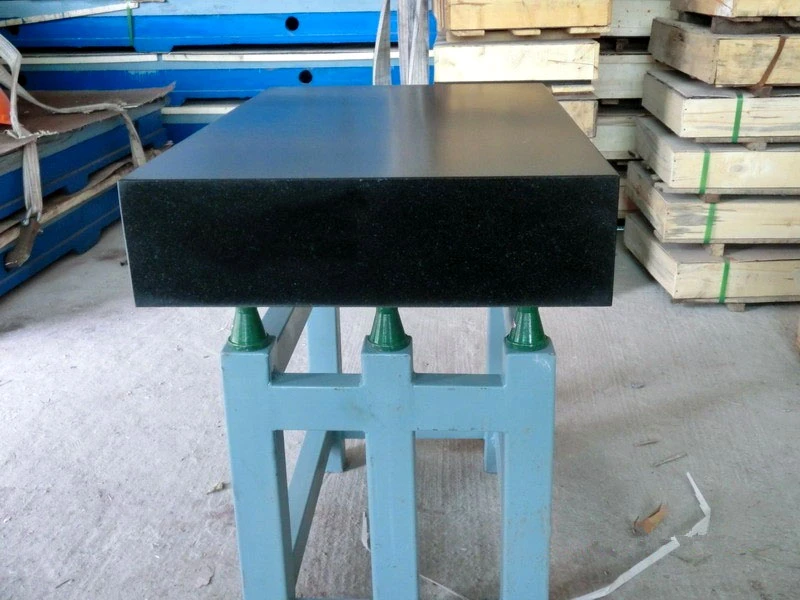
welding table 4x8
Welding Table 4x8 A Vital Tool for Every Welder In the world of metalworking, a sturdy and functiona
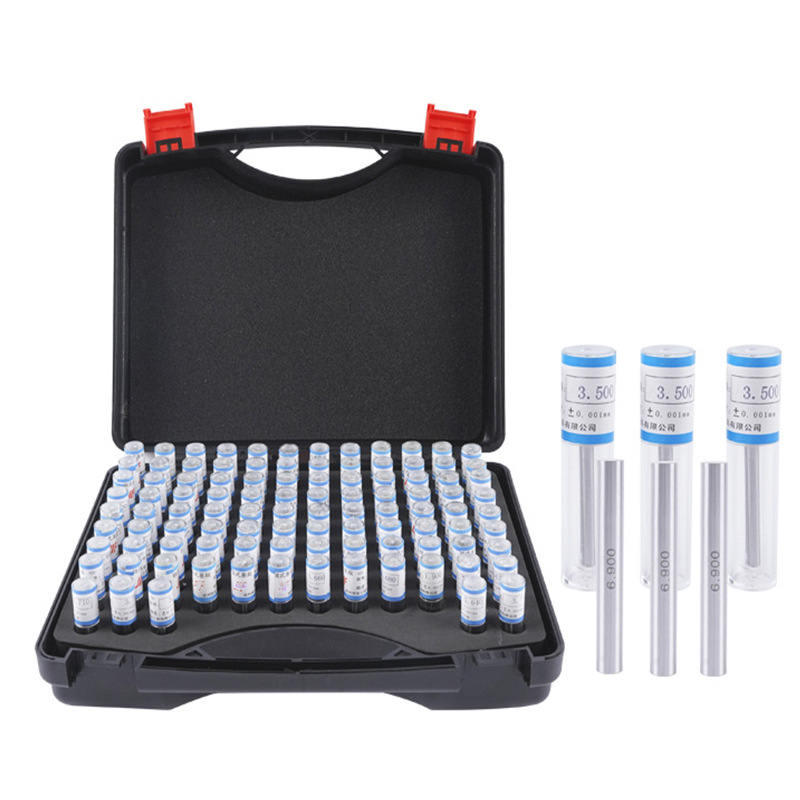
Versatile Large Metal Strainer for Efficient Kitchen Tasks and Food Preparation Needs
The Benefits and Versatility of Large Metal Strainers In the culinary world, the tools we use can si
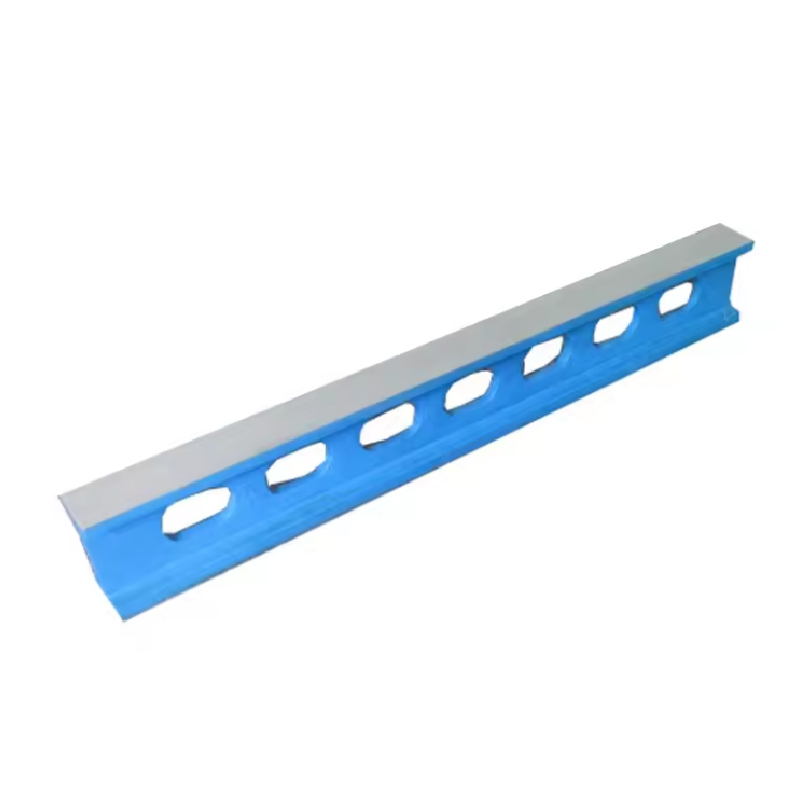
waterleidingklep
Waterlijnklep Een Cruciaal Element voor Efficiënt Beheer van Waterlopen Een waterlijnklep, of waterl
 English